Views: 0 Author: Site Editor Publish Time: 2026-01-12 Origin: Site


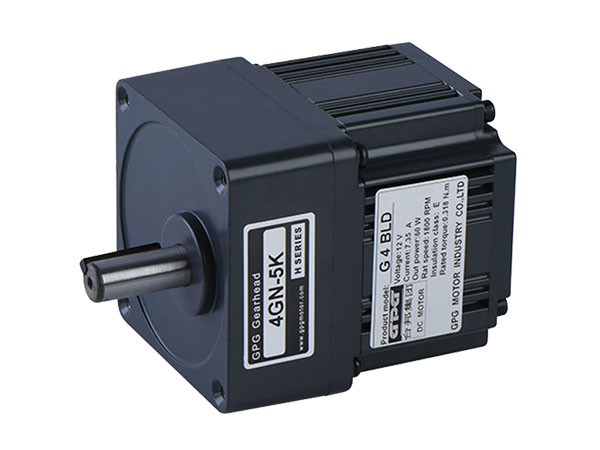
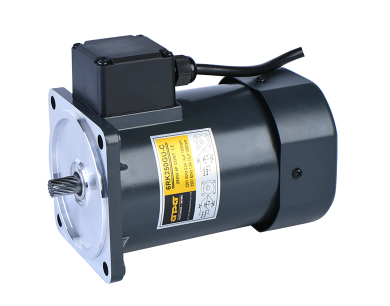
Micro AC gear motors are compact and powerful devices that combine the functionality of an AC electric motor with a gearbox to deliver controlled speed and high torque in a small package. They are widely used in conveyor systems, automated machinery, packaging equipment, vending machines, and countless other industrial and commercial applications. Known for their durability and efficiency, these motors are generally reliable, but like any mechanical component, they can encounter operational problems over time.
By understanding the most common issues that affect micro AC gear motors and knowing how to fix them, operators and maintenance teams can minimize downtime, extend motor life, and ensure consistent performance.
Why it happens:
Overheating is one of the most frequent problems with micro AC gear motors. It occurs when the motor’s temperature rises above its safe operating limit, which can cause damage to internal windings, insulation, and even the gearbox. Overheating often results from excessive load, inadequate ventilation, prolonged continuous operation, or operating the motor in an environment with high ambient temperatures.
Signs to watch for:
Motor casing feels unusually hot to the touch.
Motor performance declines over time during operation.
Unusual smells, such as burnt insulation.
How to fix it:
Reduce the load: Ensure the motor is not being forced to drive more weight or resistance than it was designed for.
Improve cooling: Increase airflow around the motor or add cooling fans if possible.
Check duty cycle: Use the motor within its rated duty cycle and avoid running it continuously if it’s designed for intermittent use.
Inspect lubrication: In gear motors, old or insufficient lubrication can cause gearbox friction, contributing to overheating. Replace or top up lubricants according to manufacturer guidelines.
Why it happens:
A well-functioning micro AC gear motor should operate with minimal noise beyond the hum of the motor and the soft whirring of gears. If there’s grinding, rattling, or whining, it often means there’s a mechanical issue such as worn gears, misalignment, or loose components. Sometimes, electrical problems such as a failing bearing in the motor can also cause unusual sounds.
Signs to watch for:
Grinding or knocking noise from the gearbox.
High-pitched squealing during operation.
Noise changes with load or speed.
How to fix it:
Inspect gears: Worn or damaged gears should be replaced promptly to avoid further damage.
Check alignment: Ensure the motor shaft and driven load are aligned correctly to prevent strain on gears and bearings.
Tighten components: Loose mounting bolts or gearbox covers can amplify vibrations and create noise.
Lubricate moving parts: Lack of lubrication in the gearbox is a major cause of noise; replenish gear oil or grease as recommended.
Why it happens:
A sudden or gradual drop in output speed or torque can signal multiple issues, from gearbox wear to electrical faults. Gear wear reduces efficiency, while electrical problems—such as weak voltage supply—can cause the motor to underperform.
Signs to watch for:
Motor runs but feels weak under load.
Output shaft rotates slower than normal even without heavy load.
Increased energy consumption for the same task.
How to fix it:
Check power supply: Verify the AC voltage matches the motor’s rated voltage and is stable.
Inspect gearbox: Look for stripped teeth or excessive wear in gears.
Examine windings: Burnt or shorted motor windings can cause performance loss; these may require rewinding or replacing the motor.
Service bearings: Worn bearings create resistance that reduces output speed; replace them if worn.
Why it happens:
Electrical problems can stem from short circuits, insulation breakdown, loose connections, or exposure to moisture. AC gear motors are particularly vulnerable in environments where dust, chemicals, or humidity are present without adequate sealing.
Signs to watch for:
Motor does not start when power is applied.
Tripping of circuit breakers or blowing fuses.
Visible burn marks or discoloration near connections.
How to fix it:
Inspect wiring: Tighten loose terminals and replace frayed or damaged cables.
Test insulation resistance: Use a megohmmeter to ensure the motor’s insulation is intact.
Dry the motor: If moisture is suspected, dry the motor in a controlled environment before reuse.
Replace damaged components: Burnt windings or failed capacitors (in single-phase AC motors) must be replaced.
Why it happens:
Gearboxes in micro AC gear motors rely on lubricants to reduce friction and wear. Over time, seals can deteriorate, leading to oil leakage. If ignored, insufficient lubrication can cause accelerated wear and eventual gearbox failure.
Signs to watch for:
Oil stains beneath the motor.
Visible lubricant on the outside of the gearbox housing.
Increased gear noise or rough operation.
How to fix it:
Replace seals: Worn shaft seals or gaskets should be replaced to prevent further leakage.
Top up lubricant: Refill with the correct grade and type of lubricant as specified by the manufacturer.
Check for cracks: Physical damage to the gearbox casing should be repaired or replaced immediately.
Why it happens:
Improper installation or mechanical stress can cause the motor’s output shaft to misalign with the driven load. This leads to vibration, noise, and premature wear of gears and bearings.
Signs to watch for:
Excessive vibration during operation.
Uneven wear on coupling or connected components.
Premature bearing or gear failure.
How to fix it:
Re-align the system: Use alignment tools to ensure the motor shaft is correctly positioned with the driven equipment.
Use flexible couplings: These can absorb minor misalignments and reduce stress on the motor.
Check mounting surfaces: Ensure the motor is mounted on a flat, stable surface to avoid twisting or shifting.
Why it happens:
Bearings support the rotating shaft inside the motor and gearbox. They can fail due to lack of lubrication, contamination by dust or debris, excessive load, or simply wear over time.
Signs to watch for:
Grinding or rumbling noise during operation.
Increased heat around bearing housings.
Shaft wobble or looseness.
How to fix it:
Replace bearings: Worn bearings should be replaced before they cause secondary damage to the motor or gearbox.
Lubricate properly: Follow lubrication intervals recommended by the manufacturer.
Install seals: Use protective seals to prevent contamination.
Why it happens:
Vibration can be caused by unbalanced loads, misalignment, worn gears, or loose components. Excessive vibration is harmful because it accelerates wear on internal parts.
Signs to watch for:
Motor vibrates noticeably during operation.
Increased noise alongside vibration.
Components loosening over time.
How to fix it:
Balance the load: Ensure the driven equipment is balanced and stable.
Check alignment: Correct any shaft misalignment.
Secure components: Tighten bolts, covers, and couplings to reduce movement.
While it’s important to know how to fix problems, preventing them in the first place is even more valuable. Regular preventive maintenance can extend the life of a micro AC gear motor and keep it running efficiently.
Key practices include:
Perform periodic inspections for wear, noise, or overheating.
Keep the motor and gearbox clean from dust and debris.
Ensure the motor operates within its rated load and speed.
Lubricate the gearbox as per the manufacturer’s schedule.
Monitor electrical connections for signs of corrosion or looseness.
Use proper sealing for motors in harsh environments.
Micro AC gear motors are reliable workhorses in countless applications, but they are not immune to wear and operational challenges. Overheating, unusual noise, reduced performance, electrical failures, gearbox leaks, shaft misalignment, bearing damage, and vibration issues are among the most common problems. By recognizing the early warning signs and applying the right corrective measures, these motors can be restored to optimal performance quickly. Even better, implementing a consistent preventive maintenance routine can significantly reduce the risk of such problems occurring in the first place.
A well-maintained micro AC gear motor not only runs more efficiently but also contributes to the overall productivity of the equipment it powers. With proper care and timely repairs, these motors can deliver years of dependable service, ensuring that industrial and commercial systems remain reliable and efficient.