Views: 0 Author: Site Editor Publish Time: 2025-03-21 Origin: Site


Brushless DC motors (BLDC) are becoming a popular choice in various industries due to their efficiency and reliability. These motors eliminate the need for brushes, resulting in longer lifespans and quieter operation compared to traditional brushed motors. As technology evolves, BLDC motors have been used in applications ranging from drones to household appliances. In this post, we’ll explore what a BLDC motor is, how it works, and why it’s becoming the preferred choice for many industries.
Brushed DC motors have been around for a long time. They work by using a commutator and brushes to send electrical current to the rotor, allowing it to spin. This mechanism, however, has some downsides. The brushes wear out over time, leading to friction, sparks, and eventual breakdown.
In contrast, brushless DC motors remove the need for brushes. Instead of using a commutator, they use an electronic controller to regulate the current flow to the stator coils, creating the necessary magnetic fields to turn the rotor. This simple yet efficient design eliminates the wear and tear caused by friction, making BLDC motors more durable and efficient.
The key difference between brushed and brushless motors lies in the mechanism of delivering current to the rotor. While brushed motors rely on physical brushes, BLDC motors use electronic controllers that adjust the current flow based on the rotor’s position. This results in smoother, more efficient operation.
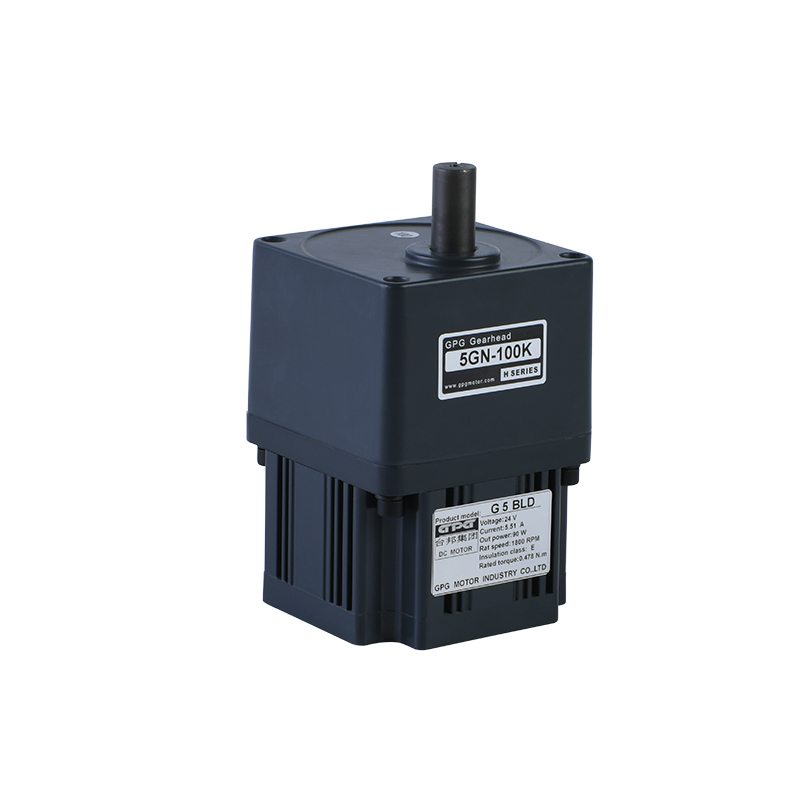
A BLDC motor consists of two main components: the stator and the rotor. The stator houses the coils that generate a magnetic field when powered. The rotor is made up of permanent magnets, which are attracted to the magnetic field produced by the stator.
Stator: The stator remains stationary and contains the coils of wire that create the magnetic field when current passes through them.
Rotor: The rotor, which consists of permanent magnets, rotates within the stator's magnetic field.
Electronic Controller: The controller switches the current flow through the stator coils in a precise pattern to create a rotating magnetic field. This controls the rotor’s motion.
In contrast to brushed motors, where the rotor and stator both move, BLDC motors use a fixed stator with a rotating rotor, simplifying the design and improving efficiency.
In BLDC motors, the commutation process is handled electronically. This involves switching the current to the coils at the right time to maintain the rotor's rotation. The commutator in a brushed motor is replaced by an electronic controller that adjusts the timing of the current flow.
The controller is typically equipped with sensors, like Hall effect sensors, to detect the position of the rotor. This feedback mechanism allows the controller to switch the current flow at the exact moment needed to keep the rotor turning smoothly.
One of the most significant advantages of BLDC motors is their higher efficiency. Because there are no brushes to create friction, BLDC motors can operate at peak efficiency for longer periods. This means they consume less energy, reducing power costs over time.
Additionally, BLDC motors can maintain maximum torque throughout their operation, unlike brushed motors, which only reach their peak torque at certain speeds. This efficiency makes BLDC motors ideal for energy-conscious applications.
BLDC motors have a longer lifespan compared to brushed motors due to the absence of brushes and the commutator, which are prone to wear and tear. As a result, there is less maintenance required, and the motor is less likely to break down over time.
This makes BLDC motors a more cost-effective choice in the long run, as they don’t need frequent replacement of worn parts. The lack of mechanical wear also reduces the chances of overheating and prolongs the motor’s operational life.
Brushless motors are much quieter than their brushed counterparts because there is no physical contact between the rotor and any brushes. This is particularly advantageous in applications where noise reduction is crucial, such as in medical devices, household appliances, or computers.
In addition to being quieter, BLDC motors also experience less vibration, improving overall performance and comfort in devices that use these motors.
BLDC motors offer precise control over speed and torque. The electronic controllers allow for smooth acceleration and deceleration, making these motors perfect for applications that require high accuracy, such as in robotics, drones, or medical devices.
This precision also extends to adjusting the motor’s performance according to the specific demands of an application, providing greater versatility.
BLDC motors are commonly used in consumer electronics like computers, printers, and hard drives. In these applications, the motor’s efficiency, low noise, and ability to run continuously for long periods are highly valued. BLDC motors are often found in cooling fans, where they help reduce energy consumption while providing reliable operation.
Drones and robotic systems rely heavily on BLDC motors for their high efficiency and precise control. The motors allow for accurate movement, essential for tasks that demand stability and fine adjustments. BLDC motors’ ability to handle different load requirements makes them ideal for drone flight control and robotic arm movements.
Brushless DC motors are widely used in household appliances such as washing machines, air conditioners, and vacuum cleaners. Their ability to run efficiently for extended periods makes them a reliable choice for these applications, where durability and energy efficiency are important.
The use of BLDC motors is growing rapidly in electric vehicles (EVs) and electric bikes. These motors offer high power-to-weight ratios, making them perfect for EVs that require efficient and reliable power delivery. Their high efficiency also contributes to longer battery life, a crucial factor in the performance of electric vehicles.
Taibang Motor Industry Group Co., Ltd. specializes in the production of roller drum motors, including both AC and DC brushless types. These motors are ideal for use in conveyor systems and are extensively used in the logistics and packaging industries. With their high efficiency and reliability, Our motors offer excellent performance, helping industries save energy while improving operational reliability.
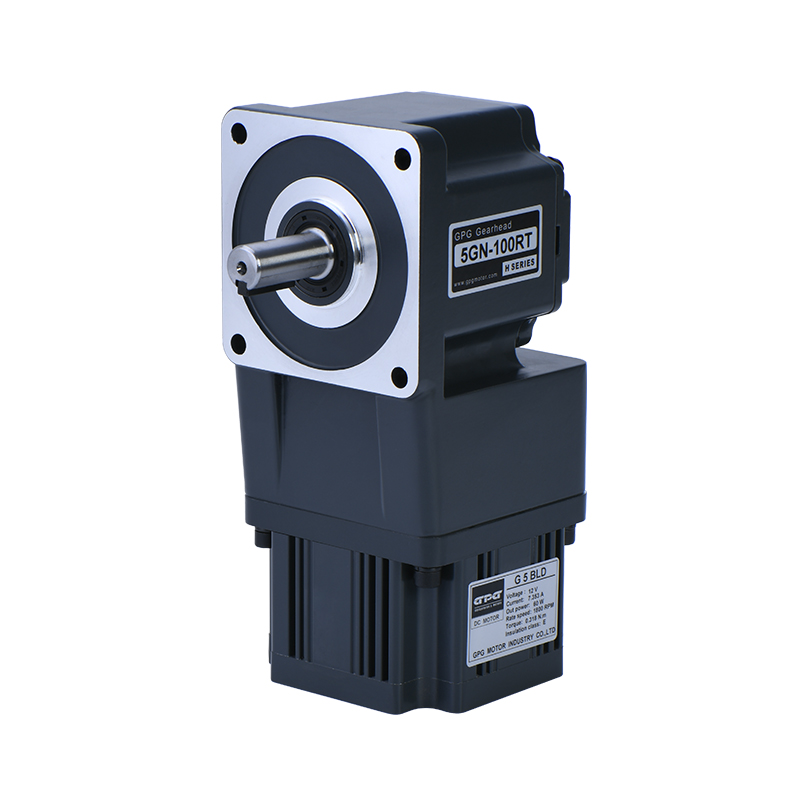
As industries and consumers look for more energy-efficient and reliable solutions, BLDC motors are becoming an increasingly popular choice. Their higher efficiency, longer lifespan, and ability to reduce maintenance costs make them a preferred option for applications in robotics, electric vehicles, and home appliances.
Additionally, advancements in semiconductor technology and motor control systems have made it easier to integrate BLDC motors into a wide range of devices, further contributing to their popularity.
BLDC motors also offer significant environmental benefits. The longer lifespan and higher efficiency of these motors result in lower energy consumption and less waste. As industries become more focused on sustainability, the demand for BLDC motors is expected to increase.
Brushless DC motors offer significant advantages over traditional brushed motors, including higher efficiency, lower maintenance, reduced noise, and better control. They are widely used in a variety of applications, from consumer electronics to industrial machinery and electric vehicles. Taibang Motor Industry Group Co., Ltd., a leading manufacturer of BLDC motors, has been at the forefront of producing high-quality motors that meet the needs of different industries. With their growing demand, it’s clear that BLDC motors will continue to shape the future of electric motor technology.
A: A Brushless DC (BLDC) motor is an electric motor that uses electronic controllers instead of brushes and commutators to generate rotational motion. It features a stator with coils and a rotor with permanent magnets.
A: BLDC motors are more efficient, durable, and require less maintenance. They also generate less noise and vibration compared to brushed motors, making them ideal for precision applications.
A: Yes, BLDC motors are typically more expensive initially due to their advanced electronic components. However, they offer long-term cost savings through reduced maintenance and longer lifespans.
A: BLDC motors last significantly longer than brushed motors, often operating for thousands of hours with minimal maintenance. This is due to the absence of brushes and commutators.
A: Yes, BLDC motors are widely used in electric vehicles (EVs) due to their high efficiency, torque-to-weight ratio, and energy-saving capabilities, contributing to longer battery life.