Views: 225 Author: Site Editor Publish Time: 2025-07-13 Origin: Site


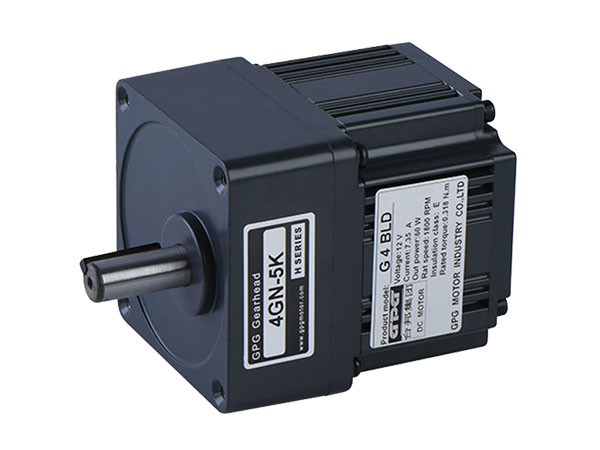
Hypoid gear motors are an essential component in the world of mechanical power transmission, offering a range of advantages in various industrial and commercial applications. These gear systems, which are often used in devices requiring high torque and precision, provide reliable performance under demanding conditions. In this article, we will explore the key benefits of Hypoid gear motors, their applications, and why they might be the right choice for your project.
Before we dive into the advantages, it's essential to have a basic understanding of what Hypoid gear motors are. Hypoid gears are a type of spiral bevel gear that operates at an angle. Unlike traditional bevel gears, Hypoid gears have the pinion (smaller gear) offset from the centerline of the gear, creating a more efficient power transmission system. This configuration allows for higher torque output and smoother operation at lower speeds.
These gears are typically housed in a motor, forming a compact and powerful unit known as the Hypoid gear motor. They combine the benefits of precision gear mechanisms with the power of electric motors, making them ideal for various applications where space constraints and efficiency are important.
One of the most significant advantages of Hypoid gear motors is their ability to transmit higher torque than other gear types. This increased torque capacity is due to the design of the Hypoid gears, which allow for a greater number of contact points between the gear teeth. This increased contact area helps distribute the load more evenly, which reduces wear and tear, thus enhancing the motor's longevity.
In applications where high torque is needed, such as in conveyors, industrial machines, and heavy-duty equipment, Hypoid gear motors are often the preferred choice. Their robust design can handle intense operational demands while maintaining efficiency and performance.
Another notable benefit of Hypoid gear motors is their ability to operate more smoothly than other gear types. The unique geometry of the Hypoid gears helps reduce vibration and noise, which is particularly beneficial in applications where quiet operation is a priority.
In environments where noise levels must be kept to a minimum—such as in medical devices, robotics, or office machinery—Hypoid gear motors excel due to their smooth, quiet performance. The ability to reduce noise not only enhances the comfort of workers and users but also improves the overall quality of the machine's operation.
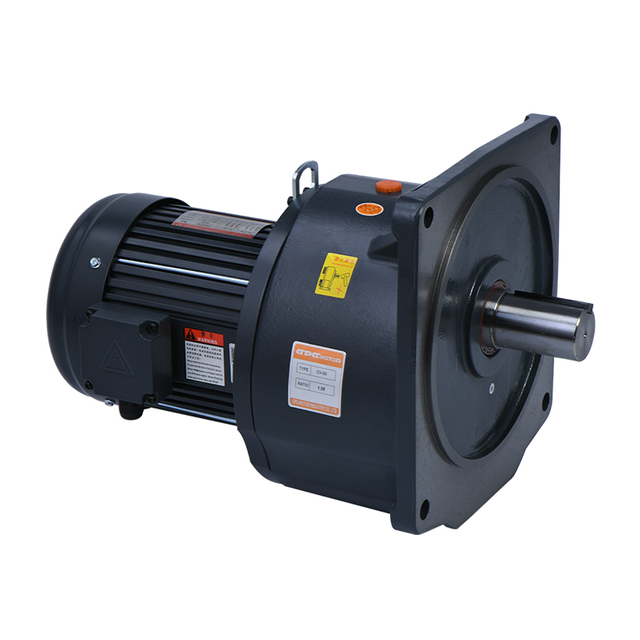
Hypoid gear motors are known for their compact and space-efficient design. The offset pinion allows for a more compact gear assembly compared to traditional bevel gears, making them ideal for applications where space is limited. Their ability to fit into tight spaces without sacrificing performance is one of the reasons why they are widely used in robotics, automotive applications, and small machinery.
This compactness, combined with their high torque output, makes Hypoid gear motors an excellent choice for applications where both power and space-saving are critical factors.
The efficiency of Hypoid gear motors is another important advantage. Due to the way the gears are designed and the smooth engagement between the gear teeth, these motors operate more efficiently than other types of gear motors. The increased contact area leads to less energy loss in the form of heat and friction, resulting in better overall energy efficiency.
In applications where energy consumption is a concern, Hypoid gear motors provide an effective solution by delivering maximum power output with minimal energy loss. This efficiency can lead to reduced operational costs and improved sustainability, making them an excellent choice for long-term investments.
Hypoid gear motors are highly versatile and can be used in a wide range of applications across different industries. Their design allows them to handle various load conditions, making them suitable for everything from light-duty machinery to heavy industrial equipment. Some common applications include:
Conveyor systems: Hypoid gear motors are often used in material handling systems due to their ability to deliver high torque and operate smoothly under heavy loads.
Automated machinery: The precision and efficiency of Hypoid gear motors make them ideal for robots and automated systems that require reliable and efficient performance.
Elevators and escalators: These motors are also used in the lift and transport systems where space constraints and smooth operation are critical.
Their adaptability to different working conditions and load requirements makes them a popular choice in a wide variety of industries.
Hypoid gear motors are known for their durability and long service life. The reduced friction and wear resulting from the smooth interaction between gear teeth help these motors withstand prolonged use without significant degradation in performance. This durability makes them an excellent investment for industries that rely on continuous operation and cannot afford frequent downtime or costly repairs.
Additionally, their ability to perform well in harsh conditions, such as high temperatures or environments with heavy vibrations, further extends their lifespan and makes them reliable under tough operating environments.
Q1: Are Hypoid gear motors more expensive than other types of gear motors?
While Hypoid gear motors may have a higher initial cost compared to some other gear types, their efficiency, durability, and long lifespan often make them a cost-effective choice in the long term. The lower energy consumption and reduced maintenance costs can offset the initial investment.
Q2: Can Hypoid gear motors be used in outdoor applications?
Yes, Hypoid gear motors can be used in outdoor environments, provided they are adequately sealed to protect against moisture and dust. Many Hypoid gear motors are designed with weather-resistant enclosures, making them suitable for outdoor and industrial applications.
Q3: How do I choose the right Hypoid gear motor for my application?
Selecting the right Hypoid gear motor depends on factors such as the required torque, speed, efficiency, and available space. It's essential to consider the specific needs of your application and consult with a manufacturer or expert to ensure you're choosing the most appropriate motor for your system.
Hypoid gear motors offer several significant advantages, including higher torque capacity, smooth operation, compact design, efficiency, versatility, and durability. Their ability to perform under demanding conditions and in tight spaces makes them a valuable component for various industrial applications. Whether you are looking to upgrade your machinery or design a new system, Hypoid gear motors provide a reliable and efficient solution that can enhance the performance and longevity of your equipment.