Views: 185 Author: Site Editor Publish Time: 2025-07-10 Origin: Site


In the world of mechanical automation and motion control, few components are as indispensable and adaptable as the small AC gear motor. These compact powerhouses combine an AC (alternating current) motor with a gear reduction system to produce high torque at low speed, making them ideal for numerous industrial, commercial, and even household applications. Whether you're involved in conveyor belt systems, vending machines, or automated window mechanisms, understanding how these motors function and what advantages they offer is essential for selecting the right drive solution.
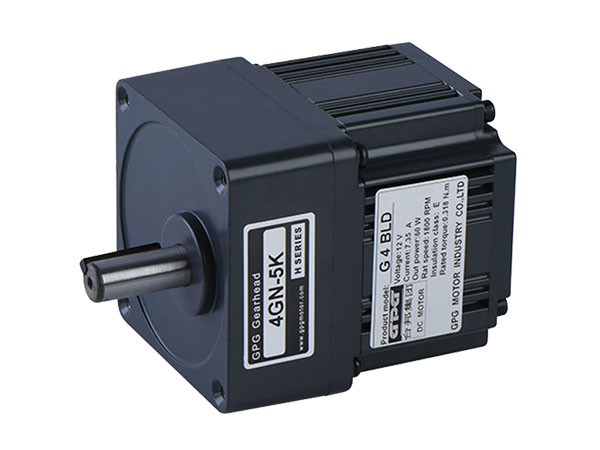
A small AC gear motor is essentially a standard AC motor integrated with a gear reducer or gearbox. The purpose of this configuration is to transform electrical energy into mechanical motion while controlling output speed and torque. Unlike larger industrial motors, these smaller models are compact, lightweight, and energy-efficient, which makes them suitable for applications with space constraints or precise movement needs.
A typical small AC gear motor consists of:
Stator and Rotor: Generate the magnetic field and rotation.
Gearbox: Reduces speed while increasing torque.
Housing: Protects internal components.
Shaft: Transfers motion to the desired load.
This integration enables the motor to deliver controlled, consistent motion at lower rotational speeds, which is crucial in automation where precision is required. The reduced speed also enhances safety and durability, particularly in delicate systems like packaging machinery or automated blinds.
The small AC gear motor finds applications in a wide variety of industries thanks to its compact size, energy efficiency, and torque capabilities. Here are some of the most common applications:
In industrial settings, these motors are often found in conveyor systems, robotic arms, and packaging machines. Their ability to provide consistent torque at low speeds makes them perfect for repetitive tasks that demand precision.
In heating, ventilation, and air conditioning systems, small AC gear motors help regulate airflow by adjusting fan speed. Their durability ensures they can run for long periods without maintenance.
From automatic curtains to electric recliners, these motors provide smooth, controlled motion. Their quiet operation and small size make them ideal for home use.
Small AC gear motors are also used in hospital beds, lab automation systems, and other healthcare devices that require quiet, safe, and controlled movement.

Choosing a small AC gear motor over other types of motors offers a range of benefits, both functional and economic.
The gear reducer allows for increased torque without increasing power consumption, making it efficient for low-speed, high-force tasks.
Their compact construction allows them to be installed in limited spaces without compromising performance.
Designed for continuous operation, small AC gear motors offer excellent service life and require minimal maintenance, which reduces downtime and repair costs.
Compared to other drive solutions like servo or stepper motors, small AC gear motors are more economical and still deliver excellent performance for many applications.
Below is a table that summarizes key specifications commonly found in small AC gear motors:
| Parameter | Typical Range |
|---|---|
| Voltage | 110V / 220V / 380V |
| Output Power | 6W to 200W |
| Output Speed | 5 RPM to 500 RPM |
| Gear Ratio | 1:3 to 1:200 |
| Torque Output | 0.1 Nm to 50 Nm |
| Operating Temperature | -10°C to +50°C |
| Mounting Type | Foot-mounted / Flange-mounted |
| Lifespan | 10,000 to 20,000 hours (approximate) |
These values are general and should be verified based on specific motor models and applications.

Start by defining your torque, speed, and voltage requirements. Next, determine the space available for mounting and the duty cycle (continuous or intermittent). You should also consider environmental conditions such as humidity, temperature, and dust levels.
Yes. Most models support bidirectional operation by reversing the power polarity or changing the motor wiring configuration. However, consult the motor datasheet or manufacturer for specific wiring instructions.
Generally, small AC gear motors are low-maintenance. However, periodic lubrication of the gearbox (if not sealed) and inspection for noise, heat, or vibration is recommended to ensure optimal performance.
Absolutely. These motors are designed for efficient energy use, especially at low speeds, making them ideal for energy-sensitive environments.
To ensure optimal performance and longevity, consider the following tips:
Avoid Overloading: Operating beyond the rated torque can lead to overheating and premature failure.
Use Proper Mounting: Ensure that the motor is mounted securely to avoid misalignment and vibration.
Environmental Protection: Use enclosures or coatings if operating in corrosive or dusty environments.
Regular Testing: Periodically check output speed, noise, and heat levels to detect early signs of wear.
Taking these steps will help you get the most out of your small AC gear motor investment while minimizing operational downtime.
In today’s age of compact automation and smart devices, the small AC gear motor stands out as a cornerstone of motion control technology. Its combination of small form factor, high torque output, and energy efficiency makes it an irreplaceable asset across industries. Whether you’re powering a conveyor, lifting a hospital bed, or automating a household gadget, the reliability and performance of a small AC gear motor make it a top-tier choice.