Views: 0 Author: Site Editor Publish Time: 2026-03-17 Origin: Site


Choosing the right AC gear motor for your project or application can be a daunting task, given the wide variety of options available. Whether you're designing a conveyor system, automating machinery, or working on robotics, selecting the right motor is crucial for ensuring efficiency, reliability, and longevity. The right motor will not only meet your speed and torque requirements but will also contribute to energy savings and reduced operational costs.
In this article, we’ll explore how to choose the right AC gear motor based on your specific needs. We’ll look at key considerations, factors that affect motor selection, and tips for optimizing performance. Whether you’re an engineer, technician, or business owner, understanding these principles will help you make an informed decision when selecting the best AC gear motor for your application.
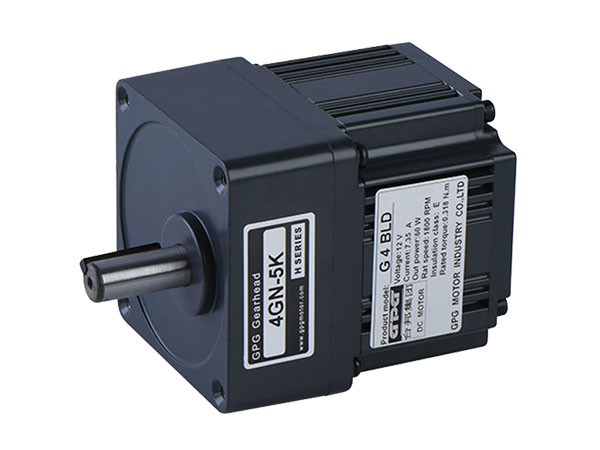
An AC gear motor combines an AC electric motor with a gear reduction system. The primary function of the motor is to convert electrical energy into mechanical energy, while the gear system reduces the speed of the motor and increases the torque. AC gear motors are typically used in situations where high torque and precise speed control are needed.
These motors are commonly found in industrial applications such as conveyor systems, lifts, robotics, HVAC systems, and packaging machinery. They can handle different levels of power, speed, and torque, depending on the specific needs of the application.
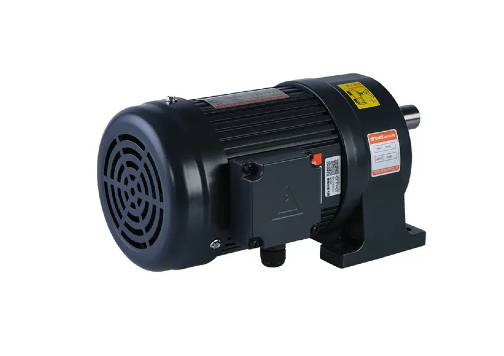
When selecting an AC gear motor, there are several critical factors to consider. These factors will ensure the motor performs as expected and operates efficiently over time.
The most critical aspect of choosing an AC gear motor is understanding the torque and speed requirements of your application. Torque is the rotational force produced by the motor, while speed refers to how fast the motor can rotate.
Torque: If your application requires high torque to move heavy loads or perform tasks that require significant power, you’ll need a motor that can provide sufficient torque. Motors with higher torque ratings are typically slower, but they provide more force.
Speed: If your application requires precise speed control, you’ll need to choose a motor that can maintain consistent rotational speed, even under varying load conditions. Some applications may require high-speed motors, while others may benefit from slower speeds with higher torque.
Gear motors allow you to adjust the speed and torque by changing the gear ratio. The gear ratio will influence the motor’s output speed and torque. For example, a lower gear ratio will result in higher torque but slower speeds, while a higher gear ratio will result in faster speeds but lower torque.
Understanding the power supply requirements is essential when selecting an AC gear motor. AC motors operate on alternating current, and there are several different types of voltage standards used depending on the region and application.
Single-Phase vs. Three-Phase: In industrial applications, three-phase motors are commonly used due to their ability to handle higher loads and operate more efficiently. Single-phase motors are generally used for smaller applications or residential settings.
Voltage: Ensure that the motor you choose is compatible with your power supply. The voltage rating of the motor should match the available voltage in your facility. Using a motor with the wrong voltage rating can lead to inefficient performance or even motor failure.
Energy efficiency is becoming an increasingly important factor in selecting AC gear motors, particularly in industries where motors run continuously or for extended periods. A motor’s efficiency directly impacts operating costs, as less efficient motors consume more power, resulting in higher electricity bills.
Efficiency Ratings: Check the efficiency ratings of the motor to ensure that it operates within the most efficient range. Higher-efficiency motors may cost more upfront, but the long-term energy savings can offset this initial investment.
Variable Speed Drives (VSD): If your application requires variable speed control, consider choosing a motor with a built-in VSD or a compatible drive. VSDs help optimize the motor's performance based on load requirements, improving efficiency and reducing energy consumption.
The environment in which the AC gear motor will operate plays a crucial role in determining its suitability for your application. Environmental factors, such as temperature, humidity, dust, and exposure to chemicals, can affect the motor’s performance and lifespan.
Temperature Range: AC motors are rated for specific operating temperatures. Choose a motor that is designed to handle the temperature range of your working environment to prevent overheating and damage.
Protection Against Moisture and Dust: If the motor will be exposed to moisture, dust, or chemicals, consider selecting a motor with proper IP (Ingress Protection) ratings. For example, motors with an IP65 rating are sealed to prevent dust and water from entering, making them ideal for use in harsh environments.
Corrosive Environments: If the motor will be used in environments where it will be exposed to corrosive substances, such as in marine or chemical industries, select a motor with corrosion-resistant materials or coatings.
The physical size and mounting configuration of the motor are essential for ensuring compatibility with your machinery or system. Different motors come with different mounting options, including foot-mounted, flange-mounted, and face-mounted designs.
Mounting Style: Choose a motor with the correct mounting configuration that will easily fit into the design of your equipment or machinery.
Size and Weight: Ensure the motor's size and weight are suitable for the available space in your machinery or system. Overly large or heavy motors may require additional structural support.
In some applications, minimizing noise and vibration is a crucial factor. Motors that produce excessive noise or vibration can be disruptive in environments such as hospitals, laboratories, or residential settings.
Noise Reduction: Look for motors with noise-reducing features, such as those designed with soundproof casings or lower-speed gears.
Vibration Dampening: Some motors are equipped with vibration-dampening components to reduce operational vibrations. This is important for applications where stability is critical.
As with any purchase, balancing cost and performance is essential when selecting an AC gear motor. While higher-performance motors may come at a higher initial cost, they may provide better efficiency, durability, and reliability over time. Conversely, opting for a cheaper motor may save you money upfront, but could result in higher operating costs and more frequent replacements.
Consider the total cost of ownership, which includes both the initial investment and the ongoing operational costs, such as maintenance and energy consumption. In many cases, choosing a more expensive, high-efficiency motor can lead to long-term savings.
Choosing the right AC gear motor is critical for the success of any project or application. By considering factors such as torque, speed, voltage, environmental conditions, efficiency, and mounting requirements, you can ensure that you select the best motor for your needs. Properly evaluating the cost-benefit ratio and understanding the specific requirements of your application will also help in making an informed decision.
For high-quality AC gear motors designed to meet the specific needs of your business, Taibang Motor Industry Group Co., Ltd. offers a wide range of reliable solutions that are built for performance and longevity. Their expert team is ready to assist you in selecting the right motor for your application and ensuring that it meets your operational needs.
Q: How do I know if I need a single-phase or three-phase AC motor?
A: Single-phase motors are used for smaller, lower power applications, while three-phase motors are ideal for industrial uses with higher power requirements and greater efficiency.
Q: What factors affect the energy efficiency of an AC gear motor?
A: The efficiency of an AC gear motor is affected by factors such as load, operating conditions, and motor design. A higher-efficiency motor typically consumes less energy for the same output.
Q: How can I reduce the noise and vibration of my AC gear motor?
A: Select motors designed with vibration-dampening features or soundproof casings. Additionally, ensuring proper alignment and maintenance can help reduce operational noise and vibrations.
Q: Can I use the same AC gear motor for different applications?
A: While AC gear motors are versatile, different applications may require different specifications, such as torque, speed, and protection against environmental factors. It’s important to choose a motor tailored to each specific use case.