Views: 185 Author: Site Editor Publish Time: 2025-05-08 Origin: Site


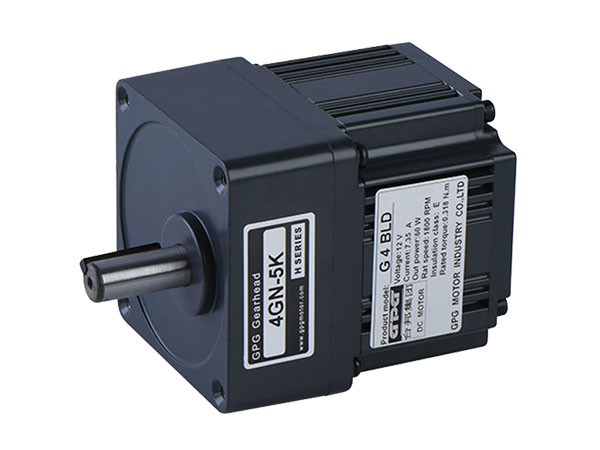
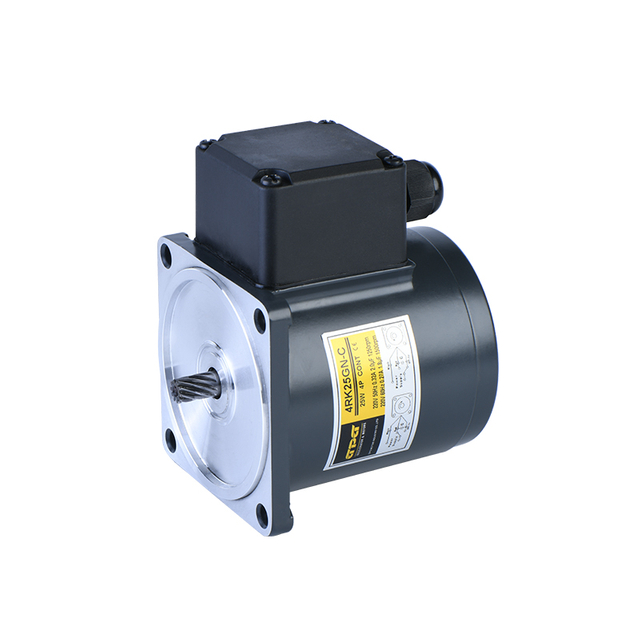
An AC gear motor is an integrated unit that combines an AC (alternating current) electric motor with a gearbox. This hybrid system is designed to produce a high torque output at relatively low speeds, which is ideal for many industrial and commercial applications. Unlike standalone motors, gear motors reduce the need for external components like separate gearboxes or additional speed control devices, thus streamlining system architecture and lowering operational complexity.
The working principle behind an AC gear motor is based on electromagnetic induction. When AC voltage is supplied, the motor converts electrical energy into mechanical motion. The attached gearbox then modifies this motion to the desired speed and torque. Gearboxes typically use helical, spur, or worm gears to achieve this conversion efficiently. What makes AC gear motors distinct is their ability to maintain a consistent torque output under variable loads, a trait that’s crucial for conveyor systems, packaging machines, and robotics.
Furthermore, AC gear motors are available in various configurations—single-phase or three-phase—depending on power requirements and the scale of the application. Their reliability and low maintenance make them ideal for long-term, continuous operations. Because the gear reduction is built-in, users benefit from space savings, simplified alignment, and increased efficiency in mechanical power transmission.
There are several reasons why industries increasingly prefer AC gear motors over traditional motor-gearbox combinations. First, they offer a compact and integrated design. Because the motor and gearbox are engineered as a single unit, installation becomes easier and alignment issues are minimized. This also enhances durability and reduces wear and tear on mechanical parts.
Another major benefit is energy efficiency. AC gear motors are optimized for performance, and many include energy-saving features like high-efficiency windings and precision-engineered gear sets. This makes them perfect for applications that require continuous operation without spikes in power consumption—such as HVAC systems, escalators, and automated manufacturing lines.
The torque-to-size ratio is another advantage. Despite their compact size, AC gear motors can deliver substantial torque, making them ideal for space-constrained environments where high power is needed. This is particularly beneficial in sectors like warehouse automation or medical devices, where footprint matters.
Finally, AC gear motors are incredibly low-maintenance. They’re sealed units, often lubricated for life, which reduces the need for frequent servicing. This contributes to higher uptime and lower total cost of ownership. Their simple construction also means fewer points of failure compared to more complex drive systems.
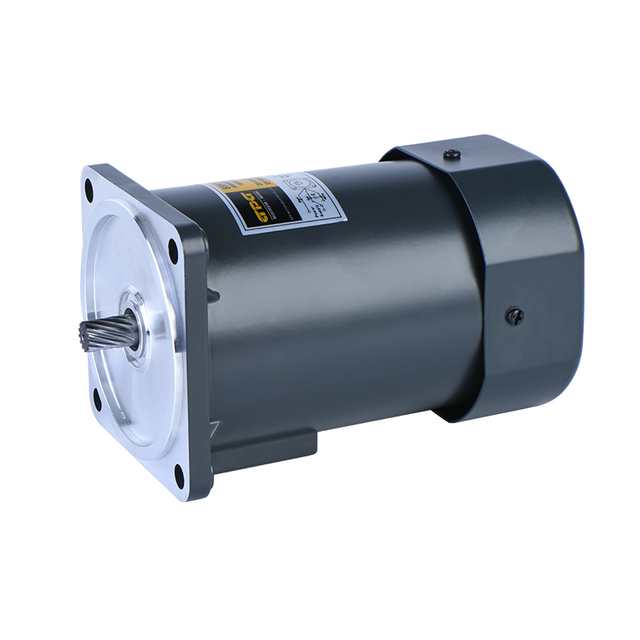
AC gear motors find utility across a wide spectrum of industries thanks to their versatility, efficiency, and reliability. One of the most widespread applications is in conveyor systems, where precise control of speed and torque is essential for moving products efficiently. Whether it's food processing or automobile assembly, AC gear motors help ensure seamless operation.
Another critical area is automated packaging systems. These motors enable smooth, synchronized motion necessary for filling, sealing, labeling, and palletizing. Their ability to maintain constant torque even at lower speeds ensures product consistency and minimizes error margins, which is vital in industries with tight quality control standards.
In the HVAC industry, AC gear motors are commonly used to drive air handlers, blowers, and fan systems. Their consistent performance over long periods makes them ideal for maintaining stable temperature and air quality levels in commercial and industrial buildings.
They are also prominent in medical equipment, such as motorized hospital beds, surgical tables, and diagnostic machines. In these applications, safety and precision are paramount, and AC gear motors offer the control and reliability needed to meet these standards.
The agriculture sector also benefits from AC gear motors in equipment like grain conveyors, greenhouse ventilation systems, and livestock feeders. Their rugged design and long service life make them ideal for harsh outdoor environments.
Selecting the right AC gear motor involves evaluating several critical technical specifications. The most fundamental is torque output. You need to ensure the motor can provide the required torque for your application without overloading. Typically, torque is measured in Nm (Newton-meters) or lb-in (pound-inches), and should match the resistance the motor will encounter during operation.
Speed (RPM) is the next crucial factor. Different applications require different operating speeds, and the gear ratio within the motor determines this. A high gear ratio reduces speed but increases torque, while a lower ratio allows for higher speed with less torque.
Voltage and frequency requirements should also match your regional standards—usually 110V/60Hz or 220V/50Hz. Always ensure compatibility to avoid inefficient operation or damage. For industrial settings, three-phase motors are often used due to their greater efficiency and smoother operation.
Other considerations include mounting options, such as foot-mounted, flange-mounted, or face-mounted types. These affect how easily the motor integrates into your existing setup. Additionally, protection ratings (IP ratings) are vital if your motor will be exposed to dust, moisture, or other contaminants.
To simplify the selection process, refer to the table below:
| Specification | Description |
|---|---|
| Torque Output | Match with system resistance (Nm or lb-in) |
| Operating Speed | Gear ratio determines RPM |
| Voltage/Frequency | Match power supply (110V/220V, 50Hz/60Hz) |
| Motor Type | Single-phase or three-phase |
| Mounting Type | Foot, flange, or face-mounted options |
| IP Rating | IP54, IP65, etc., for protection against environments |
Q1: Can an AC gear motor run at variable speeds?
Most standard AC gear motors are designed for fixed-speed operation. However, when combined with a Variable Frequency Drive (VFD), speed can be adjusted over a wide range. VFDs allow frequency modulation, making them perfect for applications requiring flexibility.
Q2: How long do AC gear motors typically last?
With proper maintenance, AC gear motors can last 10 to 20 years or more. Factors like operating environment, load, and maintenance schedule all influence lifespan.
Q3: Are AC gear motors suitable for outdoor use?
Yes, many are built with high IP ratings (like IP65 or IP67), making them resistant to dust, water, and even chemical exposure. However, you should always check the product's datasheet for specific environmental protections.
Q4: Can I repair an AC gear motor if it fails?
Some models allow component-level repairs, but many are sealed units. In those cases, it’s more economical to replace the entire unit, especially when factoring in downtime and labor costs.
Q5: What's the difference between AC gear motors and DC gear motors?
The key difference lies in the power source—AC motors run on alternating current, while DC motors use direct current. AC gear motors are more robust and better suited for constant-speed applications, whereas DC variants offer finer speed control.
An AC gear motor is more than just a drive component—it’s a critical part of your operational efficiency. By delivering consistent torque, simplifying system design, and offering a long service life, these motors significantly enhance productivity across various industries. Whether you’re automating a conveyor, powering an HVAC fan, or building precision equipment, choosing the right AC gear motor tailored to your application is a strategic investment. Always consider factors like torque, speed, voltage, and mounting options before finalizing your selection.
Through understanding the core functions, benefits, and specifications of AC gear motors, you empower your operation with equipment that not only performs but excels. With minimal maintenance and maximum efficiency, these motors are poised to meet the challenges of modern automation with reliability and strength.