Views: 0 Author: Site Editor Publish Time: 2026-03-12 Origin: Site


AC gear motors are essential components in many industrial and mechanical applications, converting electrical energy into mechanical power with high efficiency. These motors are found in everything from conveyor belts and pumps to robotics and automated machinery. Like any mechanical system, AC gear motors can experience wear and tear over time, and knowing when they are going bad is critical to preventing costly downtime, damage, or even total system failure.
In this article, we will explore the common signs that indicate an AC gear motor is deteriorating, how to diagnose potential issues, and what maintenance steps can be taken to extend the lifespan of the motor. Whether you’re an engineer, technician, or equipment manager, understanding the signs of a failing AC gear motor is essential for maintaining the reliability and efficiency of your operations.
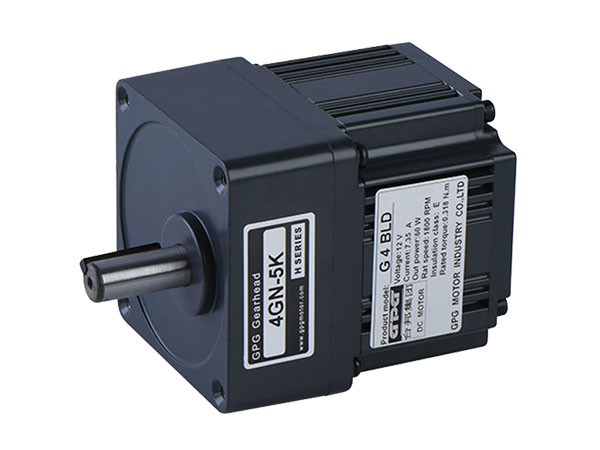
Before delving into the signs of a failing motor, it's helpful to have a basic understanding of how an AC gear motor functions. An AC gear motor is a combination of an alternating current (AC) motor and a gear reduction system. The AC motor provides the mechanical energy by converting electrical power into rotational motion. The gear system reduces the speed of the motor while increasing the torque, making it ideal for applications requiring controlled motion or high torque.
Typically, these motors are used in applications where precise control of speed and torque is necessary, including conveyor systems, pumps, fans, and robotic arms.
There are several factors that can contribute to the failure of an AC gear motor. These include poor maintenance, excessive load, environmental conditions, and manufacturing defects. Let’s explore some common causes:
Overloading: Running an AC gear motor beyond its rated load capacity can cause overheating, excessive strain on the motor windings, and premature failure of the internal components.
Poor Lubrication: Inadequate or improper lubrication of the gears can cause friction, which leads to overheating, wear, and eventual motor failure.
Environmental Stress: Exposure to high humidity, moisture, or extreme temperatures can cause damage to the motor, leading to rust, corrosion, and degradation of insulation.
Electrical Failures: Faulty wiring, voltage spikes, or inconsistent power supply can cause electrical failure in the motor windings, leading to a loss of performance or complete motor failure.
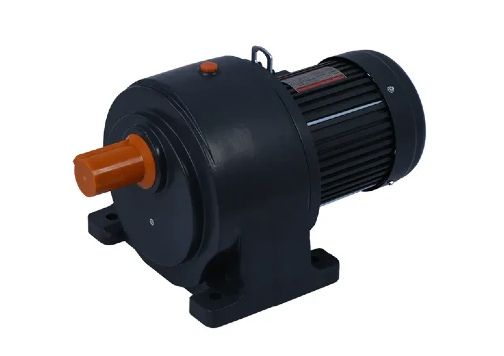
Now that we have a general understanding of how an AC gear motor works, let’s look at some of the key indicators that suggest your motor might be failing. Recognizing these signs early can prevent further damage and reduce downtime.
One of the first signs that an AC gear motor is going bad is the presence of unusual noises. These sounds often occur when the motor’s internal components, such as bearings or gears, start to wear down or become misaligned. Here are some common noises you may hear:
Grinding or Screeching: This noise typically comes from the gears inside the motor. It can indicate that the gears are worn, damaged, or improperly lubricated.
Rattling or Clicking: These sounds can indicate that there is excessive play in the gears or bearings, or that a part is loose or damaged.
Whining or High-Pitched Sounds: A high-pitched whining sound can be a sign of friction, which could be caused by a lack of lubrication or excessive load on the motor.
If you notice any of these noises, it’s important to stop the motor immediately and inspect the motor for signs of damage.
Overheating is another common sign of an AC gear motor going bad. When a motor overheats, it may be caused by excessive load, inadequate cooling, or improper lubrication. Prolonged exposure to high temperatures can lead to permanent damage to the motor's windings and bearings.
Signs of overheating include:
The motor feels unusually hot to the touch.
There is a burning smell coming from the motor.
The motor’s efficiency decreases, and it may stop working entirely.
If overheating occurs, it’s essential to identify the cause, whether it's due to overloading, poor ventilation, or lack of lubrication, and rectify the problem as soon as possible.
If you notice a decrease in the motor’s speed, torque, or overall performance, this could be an indication that the motor is wearing down. AC gear motors are designed to deliver consistent performance, and any drop in power output suggests that internal components are failing or becoming inefficient.
Symptoms of decreased performance include:
Reduced speed or difficulty reaching desired RPMs.
The motor struggles to handle normal loads that it previously could manage with ease.
The motor’s response time becomes slower or less precise.
This decrease in performance could be caused by worn-out brushes (if using a brush-type AC motor), worn gears, or internal electrical issues. A professional inspection will help identify the root cause.
Excessive vibration is another sign that your AC gear motor is not functioning properly. Motors are designed to operate smoothly and quietly, so when you start noticing excessive vibrations, it can indicate an issue with the alignment or balance of the motor’s components.
Unbalanced Load: The motor may be unbalanced due to improper installation or a damaged gear system.
Damaged Bearings: Worn or damaged bearings can cause the motor to vibrate, which can lead to further damage to the shaft and other internal components.
Gear Misalignment: If the gears are not properly aligned, it can cause uneven torque and vibrations that can affect the motor’s performance.
Excessive vibrations should be addressed immediately, as they can cause additional wear on the motor, gears, and bearings.
A motor that fails to start or responds intermittently can be a sign of a serious problem, such as a malfunctioning capacitor, faulty wiring, or damaged electrical components. If the motor struggles to start or stops unexpectedly during operation, there may be an electrical issue, such as a broken connection, short circuit, or failure in the windings.
In some cases, a motor might still run but at reduced capacity or with irregular power output. This can also indicate that there is an issue with the motor’s electrical system, which will need to be diagnosed and repaired by a technician.
AC gear motors rely on proper lubrication to reduce friction and wear within the gears and bearings. If you notice lubricant leaking from the motor or around the gear housing, it could be a sign of worn seals or damage to the motor casing.
Lubricant leaks can lead to the following issues:
Increased friction and wear on internal components.
Overheating due to lack of proper lubrication.
Permanent damage to the motor if not addressed promptly.
Make sure to check for leaks regularly, especially if you notice unusual sounds or performance issues.
Problems with the power supply, such as fluctuating voltage or inconsistent current, can cause the motor to underperform or even fail completely. Motors require a stable and consistent power supply to operate efficiently. If the power supply is faulty, it may cause the motor to run erratically or fail to start altogether.
Issues like power surges or voltage spikes can damage internal components, such as windings or capacitors, leading to irreversible damage. If you suspect power supply issues, have an electrician inspect the system to ensure that the motor is receiving the correct voltage.
To prevent these issues and extend the lifespan of your AC gear motor, proper maintenance is essential. Here are some key maintenance steps to keep your motor running efficiently:
Lubricate Regularly: Ensure that the gears and bearings are properly lubricated to minimize friction and prevent overheating. Use the recommended type of lubricant for your motor.
Inspect for Wear: Regularly inspect the motor for signs of wear, including cracks, corrosion, or damage to the housing and internal components.
Clean the Motor: Keep the motor clean and free from dust, debris, and moisture. Use compressed air to remove any dirt or particles that may affect the motor’s performance.
Check Electrical Connections: Ensure that all electrical connections are secure and in good condition. Look for signs of corrosion or fraying wires.
Monitor Operating Conditions: Operate the motor within the specified load, speed, and temperature ranges to prevent excessive wear.
An AC gear motor is a highly reliable and essential piece of machinery for many industrial applications. However, like all mechanical systems, it is subject to wear and tear. By understanding the common signs of failure and performing regular maintenance, you can extend the life of your motor and prevent costly downtime. If you notice any of the signs mentioned in this article, it’s important to take action immediately to avoid further damage.
For high-quality AC gear motors and expert maintenance solutions, Taibang Motor Industry Group Co., Ltd. offers reliable products and professional support. Their team of experts can assist with selecting the right motor and ensuring it stays in optimal condition throughout its lifespan.
Q: What are the signs that an AC gear motor is going bad?
A: Signs of a failing motor include unusual noises, overheating, decreased performance, vibration, failure to start, and leaking lubricant.
Q: How can I prevent my AC gear motor from failing prematurely?
A: Regular maintenance, including lubrication, cleaning, and inspection, can help prevent premature motor failure and extend its lifespan.
Q: Can a motor that is overheating be repaired?
A: Overheating can often be fixed by addressing the cause, such as inadequate ventilation or lubrication. If the motor is severely damaged, it may need to be replaced.
Q: What should I do if my AC gear motor is not starting?
A: If your motor is not starting, check the power supply, electrical connections, and internal components for faults. Contact a technician if necessary for further diagnosis.