Views: 0 Author: Site Editor Publish Time: 2026-03-19 Origin: Site


AC gear motors are essential components in various industrial and mechanical applications. These motors are commonly used to convert electrical energy into mechanical energy while providing the necessary torque and speed control for machinery like conveyor belts, robotic arms, and pumps. However, like all machines, AC gear motors are susceptible to wear and tear over time, and operators may face a range of issues that can affect their performance and longevity.
Understanding common AC gear motor problems and their causes can help you diagnose issues early, extend the lifespan of the equipment, and prevent unexpected downtime. In this article, we will explore some of the most frequent problems encountered with AC gear motors, their causes, and how to address them effectively.
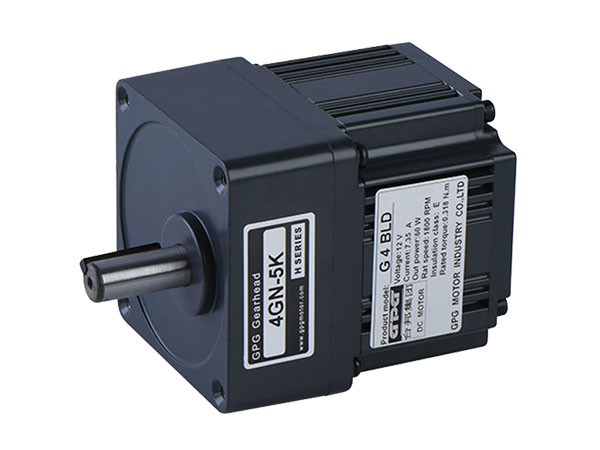
An AC gear motor consists of an alternating current (AC) motor and a gear reduction system. The AC motor generates rotational motion by converting electrical energy into mechanical power, while the gear reduction system slows down the motor’s speed while increasing the torque output. The combination of these components makes AC gear motors ideal for applications that require high torque at lower speeds.
AC gear motors are used in a wide range of applications, from industrial automation and HVAC systems to packaging and robotics. However, these motors can encounter several operational issues that can affect their performance.
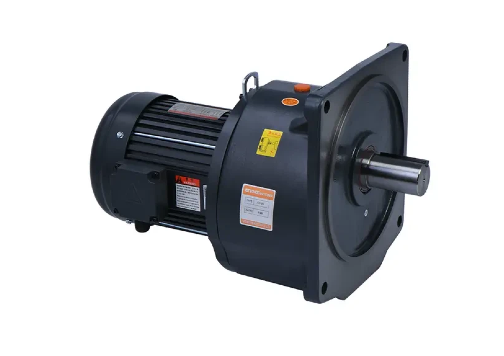
AC gear motors are complex pieces of machinery, and various factors can contribute to malfunction. Some of the most common problems associated with AC gear motors include overheating, excessive noise, poor lubrication, and electrical failures. Let’s take a closer look at these issues.
Overheating is one of the most common issues faced by AC gear motors, and it can significantly reduce the motor's lifespan and efficiency. There are several reasons why overheating may occur:
Overloading: Running an AC gear motor at or near its maximum load capacity for extended periods can cause the motor to overheat. Excessive load increases the friction inside the motor, leading to higher temperatures.
Inadequate Ventilation: If the motor is placed in an area with insufficient airflow or ventilation, heat will accumulate, leading to overheating. Proper ventilation is crucial for dissipating heat and maintaining optimal operating conditions.
Excessive Speed: Operating the motor at higher speeds than its rated specifications can generate excessive heat, as the motor works harder to maintain the increased speed.
Poor Maintenance: Lack of regular maintenance, such as cleaning the motor and ensuring proper lubrication, can also contribute to overheating.
How to Fix Overheating:
Ensure that the motor is not operating under excessive load.
Improve ventilation around the motor to allow heat to dissipate more effectively.
Check the motor’s cooling system (e.g., fans or ventilation openings) to ensure they are not blocked or clogged.
Perform regular maintenance and cleaning to prevent dust buildup and friction that could lead to overheating.
Another common issue with AC gear motors is excessive noise during operation. A noisy motor can be disruptive and is often an indication of internal problems. Common causes of motor noise include:
Worn or Damaged Bearings: Bearings are a critical part of the motor, allowing smooth rotation of the motor shaft. If the bearings become worn or damaged, they can create grinding or squealing noises during operation.
Loose or Misaligned Parts: Loose components such as gears, shafts, or mounting parts can create rattling or clicking noises. Misalignment of gears or shafts can also cause additional strain, leading to increased noise.
Lubrication Issues: Insufficient lubrication of gears and bearings can lead to increased friction, which causes grinding or whining sounds.
How to Fix Excessive Noise:
Check and replace worn or damaged bearings.
Inspect and tighten any loose parts or fasteners within the motor assembly.
Ensure that the gears are properly aligned and that the motor components are securely mounted.
Regularly lubricate the gears and bearings with the recommended type of lubricant to reduce friction.
Vibration is another problem that often occurs when AC gear motors are in use. While some vibration is normal in motors, excessive vibration can indicate a problem with the motor’s components. Causes of excessive vibration include:
Imbalance in the Rotor or Shaft: If the rotor or shaft is out of balance, it can cause excessive vibration during operation. This imbalance can be caused by worn bearings, uneven wear on the rotor, or improperly installed parts.
Misaligned Gears: If the gears inside the motor are misaligned, they may not mesh properly, causing vibrations. Misalignment can lead to uneven wear, further exacerbating the vibration problem.
Damaged Mounting or Support: If the motor is not securely mounted or supported, it may vibrate excessively. A loose motor mount or broken support structure can cause instability during operation.
How to Fix Vibration:
Balance the rotor and shaft to eliminate any imbalance.
Check and adjust the alignment of the gears to ensure they mesh correctly.
Ensure the motor is securely mounted and supported, making sure that the motor’s frame is stable during operation.
Lubrication is critical for ensuring the smooth operation of an AC gear motor. Without adequate lubrication, the gears and bearings inside the motor will experience excessive friction, leading to overheating, wear, and ultimately, failure. Common issues related to lubrication include:
Insufficient Lubrication: If the motor has insufficient or expired lubricant, friction will increase between the motor’s moving parts, leading to heat buildup and premature wear.
Incorrect Lubricant: Using the wrong type of lubricant or one that is not designed for the motor’s specifications can cause damage to the gears and bearings, reducing their efficiency.
Contaminated Lubricant: If the lubricant becomes contaminated with dust, dirt, or metal shavings, it can cause abrasive wear on the motor components.
How to Fix Lubrication Issues:
Regularly check the lubrication levels and ensure that the motor is properly lubricated according to the manufacturer’s specifications.
Use the correct type of lubricant for the motor, ensuring it is suitable for the temperature and load conditions.
Clean the lubrication system and replace contaminated lubricant to prevent damage to the gears and bearings.
Electrical failures are often caused by faulty wiring, damaged insulation, or electrical overloads. Common electrical issues that can affect AC gear motors include:
Faulty Wiring: If the wiring connected to the motor is frayed, damaged, or improperly installed, it can cause short circuits or voltage fluctuations that interfere with the motor's operation.
Overvoltage or Undervoltage: Supply voltage that is too high or too low can damage the motor’s windings, causing overheating or failure to start.
Blown Fuses or Circuit Breakers: Overcurrent conditions, such as when the motor is overloaded, can cause fuses or circuit breakers to blow, interrupting the motor’s operation.
How to Fix Electrical Failures:
Inspect the wiring for damage and repair or replace any faulty connections.
Ensure the motor is connected to the proper voltage and that voltage levels remain stable during operation.
Check and replace any blown fuses or tripped circuit breakers to restore normal operation.
Overloading occurs when the motor is forced to operate beyond its rated capacity, leading to excessive strain on the internal components. This can cause overheating, reduced efficiency, and eventual motor failure. Overuse, particularly without proper maintenance or rest periods, can lead to similar issues.
How to Fix Overloading and Overuse:
Ensure the motor is used within its rated capacity, and avoid overloading it by monitoring the operational load.
Implement proper downtime to allow the motor to cool and prevent overheating.
Use motor protection devices such as overload relays to automatically shut down the motor in case of excessive load.
Preventing AC gear motor problems largely involves regular maintenance and proper operating conditions. To avoid the issues discussed above, follow these guidelines:
Regular Inspections: Frequently check the motor for any signs of wear, damage, or overheating.
Proper Lubrication: Keep the motor properly lubricated according to the manufacturer’s recommendations.
Monitor Load: Avoid operating the motor beyond its rated capacity to prevent overloading.
Environmental Protection: Ensure the motor is used in a clean, dry environment, free from dust, moisture, and extreme temperatures.
Professional Maintenance: Schedule periodic professional inspections to catch issues early and keep the motor running at peak efficiency.
AC gear motors are robust and reliable, but like any mechanical device, they are prone to wear and tear over time. By understanding the common problems these motors face—such as overheating, noise, vibration, and lubrication issues—you can take proactive measures to prevent failure and extend the lifespan of your equipment. Regular maintenance, proper usage, and monitoring are key to keeping your AC gear motors in optimal working condition.
For high-quality AC gear motors and expert advice on selecting the right motor for your application, Taibang Motor Industry Group Co., Ltd. offers dependable solutions. Their experienced team is ready to help you choose the right motor, maintain its performance, and ensure it serves your business for years to come.
Q: How can I tell if my AC gear motor is overheating?
A: Signs of overheating include the motor feeling excessively hot to the touch, a burning smell, and a decrease in motor performance.
Q: What should I do if my AC gear motor is making unusual noises?
A: Check for worn bearings, loose components, or insufficient lubrication. Address the issue promptly to prevent further damage.
Q: Can an AC gear motor be repaired if it’s malfunctioning?
A: Many issues, such as faulty bearings or electrical problems, can be repaired by a qualified technician. However, extensive damage may require replacement.
Q: How can I prevent my AC gear motor from failing?
A: Regular maintenance, proper lubrication, and ensuring the motor operates within its rated capacity can significantly extend its lifespan and prevent failure.