Views: 0 Author: Site Editor Publish Time: 2026-03-10 Origin: Site


AC gear motors are essential components in many industrial applications, providing reliable power and motion control for everything from conveyor systems to automated machinery. These motors combine the efficiency of an AC motor with the added benefit of a gear system that adjusts speed and increases torque, making them ideal for applications where precise control is needed.
One of the most common questions when considering an AC gear motor is how long it lasts. The lifespan of an AC gear motor depends on various factors, including the type of motor, the environment in which it operates, and how well it is maintained. Understanding these factors is crucial for maximizing the motor's life and ensuring that it performs optimally over time.
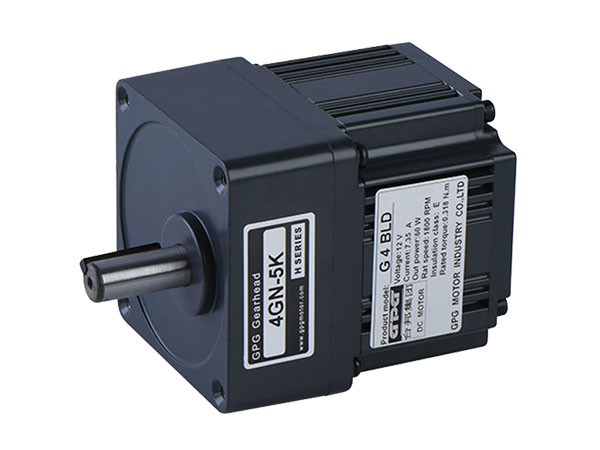
An AC gear motor is a combination of an AC electric motor and a gear reduction system. The motor converts electrical energy into mechanical motion, while the gear system reduces the speed of the motor and increases the torque. This makes AC gear motors suitable for a wide range of industrial applications that require both high torque and controlled speed.
These motors are typically used in equipment such as conveyor belts, pumps, fans, and robotics. Depending on the application, they can be designed for specific needs, such as low speed, high torque, or both.
The lifespan of an AC gear motor is influenced by several factors, such as the type of motor, the operating environment, and how well the motor is maintained. Here’s a look at the most important factors that affect an AC gear motor's longevity.
The type of AC motor used in the gear motor will play a significant role in its lifespan. AC motors are generally divided into two main types: induction motors and synchronous motors.
Induction motors are the most commonly used type in AC gear motors due to their simplicity, reliability, and cost-effectiveness. These motors can typically last a long time, often upwards of 10,000 hours of continuous use, especially when running under normal load conditions.
Synchronous motors, on the other hand, are designed for applications where speed control and precision are critical. While they are more efficient, they may experience more wear if exposed to varying loads over time, which could reduce their lifespan compared to induction motors.
The way an AC gear motor is used plays a key role in determining its lifespan. If a motor is operated under optimal conditions, it can last much longer than if it is exposed to harsh conditions. Several operating factors can affect the lifespan of the motor:
Load: Consistently running the motor at or near full capacity can cause excessive wear on the components, resulting in a shorter lifespan. If the motor is used within its rated load capacity, it is likely to last much longer.
Duty Cycle: The frequency with which a motor is turned on and off, or how long it runs during each cycle, can also affect its longevity. Motors used intermittently often last longer than those that run continuously.
Speed: Higher speeds can generate more heat, which in turn can affect the motor’s components. Over time, excessive speeds can lead to overheating, reducing the motor's operational life.
Environmental conditions, such as temperature, humidity, and exposure to dust or chemicals, can significantly impact the lifespan of an AC gear motor. Operating the motor in harsh conditions, such as high temperatures or in the presence of moisture, can accelerate wear and tear.
Temperature: Heat is one of the biggest enemies of any motor. Excessive temperatures can cause the motor windings to degrade, resulting in electrical failures or reduced efficiency. Prolonged exposure to high temperatures can significantly shorten the lifespan of an AC gear motor.
Moisture and Dust: Motors exposed to high humidity or wet environments are at risk of rust and corrosion, which can damage the motor and its components. Dust and debris can also clog the motor’s cooling vents, leading to overheating.
Chemicals: If a motor operates in environments where it is exposed to chemicals or solvents, the materials of the motor can break down over time, reducing its effectiveness.
One of the most significant factors in determining the lifespan of an AC gear motor is the level of maintenance it receives. Motors that are regularly inspected and maintained will generally last much longer than those that are neglected.
Regular maintenance includes lubrication of the gears and bearings, cleaning of dust or debris, and checking for signs of wear. Poor maintenance can lead to issues such as overheating, excessive wear on the gears, or bearing failure, all of which can reduce the motor’s lifespan.
The overall quality of the AC gear motor also affects its longevity. Higher-quality motors made from durable materials, with advanced technology and components, tend to last longer. These motors are built to handle higher loads, more extensive use, and more demanding environments, which results in a longer operational life.
The lifespan of an AC gear motor varies depending on the factors discussed above. However, under typical operating conditions, an AC gear motor can last between 15,000 and 30,000 hours of continuous use. This is a general range, and the actual lifespan will depend on how well the motor is maintained and the conditions under which it is used.
Under optimal conditions (appropriate load, temperature, and maintenance), AC gear motors can last closer to the upper end of this range, potentially reaching 30,000 hours or more.
Under harsh conditions (high temperatures, heavy loads, or inadequate maintenance), the motor's lifespan may be closer to the lower end of the range, around 15,000 hours or less.
It’s essential to monitor the motor’s performance regularly to identify any signs of wear and tear, as this can help prevent unexpected failures and extend its lifespan.
To maximize the lifespan of an AC gear motor, it’s important to follow proper maintenance practices and ensure the motor operates under optimal conditions. Here are some tips for extending the life of your motor:
Regular Maintenance: Perform routine checks to inspect the motor for signs of wear, such as unusual noises, vibrations, or overheating. Clean the motor to prevent dust buildup, and lubricate the bearings and gears to reduce friction.
Proper Lubrication: Ensure that the motor is properly lubricated, especially the gears and bearings. Lack of lubrication can lead to excessive wear and overheating.
Monitor Operating Conditions: Avoid running the motor at full load for prolonged periods. Ensure the motor operates at the correct speed and under suitable temperature conditions. If the motor is running too hot, install proper cooling systems.
Environmental Protection: If the motor is used in a harsh environment, use protective covers or enclosures to shield it from moisture, dust, or chemicals. This will reduce the risk of environmental damage.
Timely Repairs: If the motor shows signs of malfunction or damage, address the issue promptly. Replacing damaged parts before they lead to a larger failure can save the motor and prolong its life.
The lifespan of an AC gear motor is primarily determined by its operating conditions, maintenance practices, and environmental factors. By understanding the factors that influence motor longevity, you can take the necessary steps to extend the motor’s lifespan and ensure optimal performance for years to come.
For high-quality AC gear motors designed to meet your specific needs, Taibang Motor Industry Group Co., Ltd. offers reliable solutions that deliver efficient performance in a variety of industrial applications. Their expert team is ready to help you choose the right motor and ensure its longevity in your operations.
Q: What is the average lifespan of an AC gear motor?
A: On average, an AC gear motor can last between 15,000 to 30,000 hours of continuous use, depending on the operating conditions and maintenance.
Q: How can I tell if my AC gear motor needs maintenance?
A: Look out for signs such as unusual noises, overheating, vibrations, or a decrease in performance. Regular inspections can help identify potential issues early.
Q: Can operating an AC gear motor at full load shorten its lifespan?
A: Yes, running the motor at full load for extended periods can cause excessive wear and shorten its lifespan. It's best to avoid operating the motor under constant maximum load.
Q: How can I protect my AC gear motor from environmental damage?
A: Use protective covers or enclosures, especially in wet, dusty, or chemical environments. Regularly clean the motor and ensure it's kept at an optimal temperature.